
Beyond the Basics - The Heavy Duty Trailer Components That Need More Attention!
Beyond the Basics - The Heavy Duty Trailer Components That Need More Attention!
Posted on August 20, 2026
A heavy-duty trailer is expected to work hard, often for long hours and under demanding conditions. Yet some of the parts that keep a trailer dependable are the same parts that can easily be forgotten during routine maintenance. Tires and brakes usually receive plenty of attention, but components such as wheel bearings, suspension hardware, electrical connections, landing gear, seals, fasteners, and coupling equipment can quietly develop problems over time. These issues may seem minor at first, but once a trailer is carrying a heavy load and travelling long distances, a small repair can quickly become an expensive breakdown. For businesses that depend on trailers every day, regular attention to these less obvious areas can make a real difference to uptime, operating costs, and the overall life of the equipment.
The Parts That Often Go Unnoticed
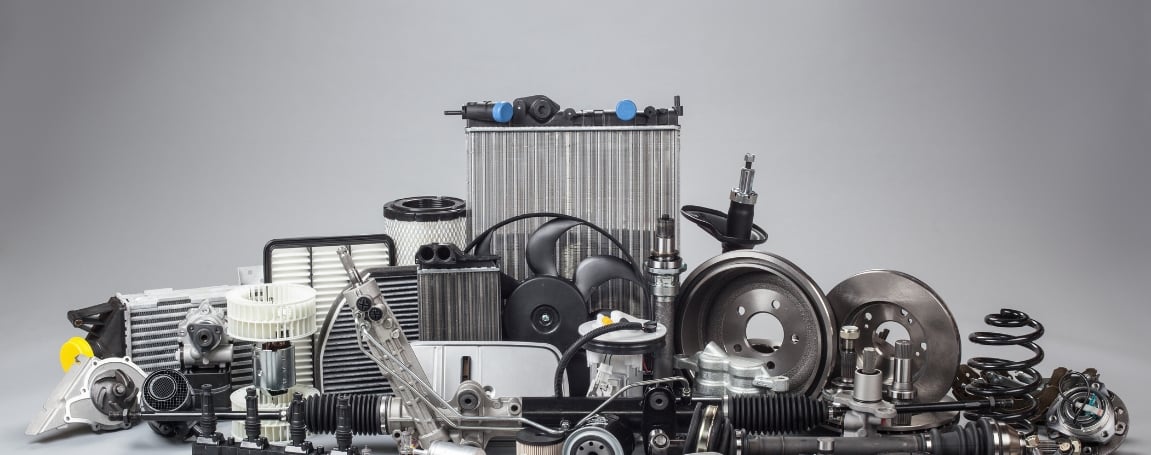
Some trailer problems do not begin with a dramatic warning. Instead, wear develops slowly through everyday use. Constant vibration, heavy loads, uneven roads, moisture, road salt, dirt, and changing Alberta weather can all place stress on trailer components. A quick walk around the trailer may not reveal what is happening underneath. Suspension components can wear without being immediately obvious. Wheel end components can develop issues that are not visible until they become serious. Electrical connections can corrode while the lights may still appear to work. This is why a proper inspection should go beyond simply checking whether the trailer looks clean and ready to leave. At Edmonton Trailer Sales & Leasing Ltd. in Acheson, AB, choosing dependable equipment and paying attention to long-term maintenance can help businesses stay prepared for the work ahead.
Suspension and Wheel End Components Deserve a Closer Look
The suspension system is one of the areas where gradual wear can easily be overlooked. Springs, bushings, mounts, air suspension components, fasteners, and related hardware all have to deal with the weight of the trailer and its cargo. When these parts become worn, other components can also be affected. Uneven tire wear, unusual movement, changes in ride quality, or signs of excessive wear can all be reasons to have the suspension checked. Wheel end components also deserve careful attention because bearings, hubs, seals, and related parts are exposed to considerable stress during commercial operation. A damaged seal or worn bearing may not seem urgent when first noticed, but leaving it unattended can create a much larger repair later. Preventive maintenance is often far easier to manage than an unexpected roadside problem.
Electrical Connections and Lighting Should Not Be an Afterthought
Trailer lighting is normally checked before a trip, but the wiring behind those lights can receive much less attention. Commercial trailers spend their lives exposed to rain, snow, road spray, dirt, vibration, and road salt. Over time, connectors can become loose or corroded, while wiring can become damaged or worn. Sometimes the first sign is an intermittent light that works one day and stops working the next. Other electrical components can also be affected depending on the trailer and its equipment. A proper inspection can help identify damaged wiring, weak connections, corrosion, and other concerns before they interfere with normal operation. For commercial operators, this type of preventative attention can help avoid delays that are far more costly than the original repair.
Landing Gear and Coupling Equipment Carry an Important Responsibility
Landing gear is another component that can be easy to overlook until it becomes difficult to use. It supports the trailer when it is disconnected from the towing vehicle and must handle substantial weight. Dirt, corrosion, worn gears, poor lubrication, or damaged components can eventually make operation difficult. Coupling equipment is even more important because it forms the connection between the towing vehicle and trailer. Depending on the trailer, this can include the kingpin, fifth wheel connection, hitch equipment, safety chains, electrical connections, and air lines. Wear, cracks, loose connections, or other damage should never be ignored. These components should be inspected regularly and maintained according to the trailer manufacturer’s recommendations. A trailer that is dependable in every other area still needs a secure and properly maintained connection to perform as intended.
Doors, Seals, Fasteners and Small Hardware Matter More Than They Seem
Not every costly trailer repair begins with a major mechanical component. Doors, hinges, latches, seals, fasteners, and other small pieces of hardware can also cause trouble when they are neglected. A damaged door seal may allow water and moisture inside, which can affect cargo and contribute to corrosion. Loose fasteners can allow components to move or vibrate, potentially creating additional damage over time. Hinges and latches can become difficult to operate when they are worn or not properly maintained. These are relatively simple areas to inspect, which makes them especially worthwhile to include in a regular maintenance routine. Catching a worn seal or loose component early can be much easier than dealing with damaged cargo or a larger repair later.
Smart Maintenance Helps Protect a Valuable Business Investment
The biggest advantage of paying attention to overlooked trailer components is the opportunity to deal with problems while they are still manageable. A trailer that is regularly inspected can provide more warning before a component reaches the point of failure. Maintenance should be based on the manufacturer’s recommendations, the trailer design, the type of cargo being carried, and how frequently the equipment is used. Heavy commercial work naturally places greater demands on equipment, so maintenance should not be treated as an occasional task. When the right trailer is selected for the job and its important components are properly maintained, businesses can be better positioned to reduce avoidable downtime and keep their operations moving.
Choose the Right Heavy Duty Trailer for the Job
The quality of the trailer matters just as much as the maintenance behind it. Different businesses have different requirements, and a trailer used for construction equipment may need a very different setup from one used for general freight or other commercial applications. Payload requirements, dimensions, towing needs, frequency of use, road conditions, and the type of cargo should all be considered before a trailer is selected. This is where an experienced trailer dealership can add real value. Rather than simply choosing equipment based on appearance, businesses can look at the complete picture and select a trailer that makes sense for the work it is expected to perform.
Keep Your Business Moving With Edmonton Trailer Sales & Leasing Ltd.

A heavy-duty trailer is more than a piece of equipment. It is part of a business operation, and unexpected downtime can affect schedules, deliveries, projects, and revenue. The most overlooked trailer parts are often the ones that deserve more attention because small problems can become expensive when they are left too long. From suspension and wheel end components to electrical connections, landing gear, coupling equipment, seals, and hardware, every part contributes to dependable trailer performance. Edmonton Trailer Sales & Leasing Ltd. in Acheson, AB, is ready to help businesses find commercial trailer solutions suited to demanding work. Visit the dealership to explore available trailer options, discuss your requirements, and choose equipment that is built to support the work your business depends on.