
Trailer Rental vs. Leasing vs. Buying: Alberta Business Guide
Trailer Rental vs. Leasing vs. Buying: Alberta Business Guide
Posted on September 29, 2025
Running a business often means having the right equipment at the right time. For many companies, a trailer is not just an extra tool. It can be the difference between meeting a deadline and losing a contract. Whether you need to move heavy loads, store materials, or transport goods to customers, the way you get that trailer matters. The big question is whether to rent, lease, or buy. Each option comes with its own set of benefits and trade-offs. Choosing the right one depends on how your business works, how often you use the trailer, and how much you are ready to spend.
Why Some Businesses Rent
Renting is often the most flexible choice. It works best for companies that only need a trailer for short bursts of time. For example, a landscaping business might rent during the busy summer months but not need it in the winter. Renting means there is no large payment upfront. You pay only for the days, weeks, or months you use it. This can free up money for other parts of your business, like paying staff or buying materials.
Another reason many companies rent is to avoid repair and maintenance costs. When a trailer is rented, the rental company takes care of inspections, repairs, and even replacements if something goes wrong. This means you get a trailer that is ready to use without worrying about whether the tires or brakes are in good condition. It also means you don’t have to find a place to store it when it’s not in use. That can be a big help if your business location has limited space.
Renting also allows you to choose different trailer sizes for different jobs. One month you might need a large dry van trailer, while the next you might only need a smaller option. With renting, you can switch based on your needs.
The Case for Leasing

Leasing is a good middle ground between renting and buying. It often involves a commitment of one to five years. Leasing works well for businesses that use trailers often but may not be ready to make a full purchase. With a lease, the monthly payment is usually lower than the cost of buying, and it stays predictable for the length of the agreement. This makes it easier to plan your budget.
One big advantage of leasing is the ability to upgrade. At the end of the lease, or sometimes even during it, you can switch to a newer trailer with better features. This can be helpful if your work changes or if you want the latest designs with improved efficiency or safety. Some leasing plans also include basic maintenance, which can save you money and time.
Leasing can be especially useful in industries where demands change quickly. For example, a logistics company might have steady work now but expect even larger contracts in a year. Leasing gives them the flexibility to grow without the pressure of owning equipment that could become too small or outdated.
Buying for the Long Term
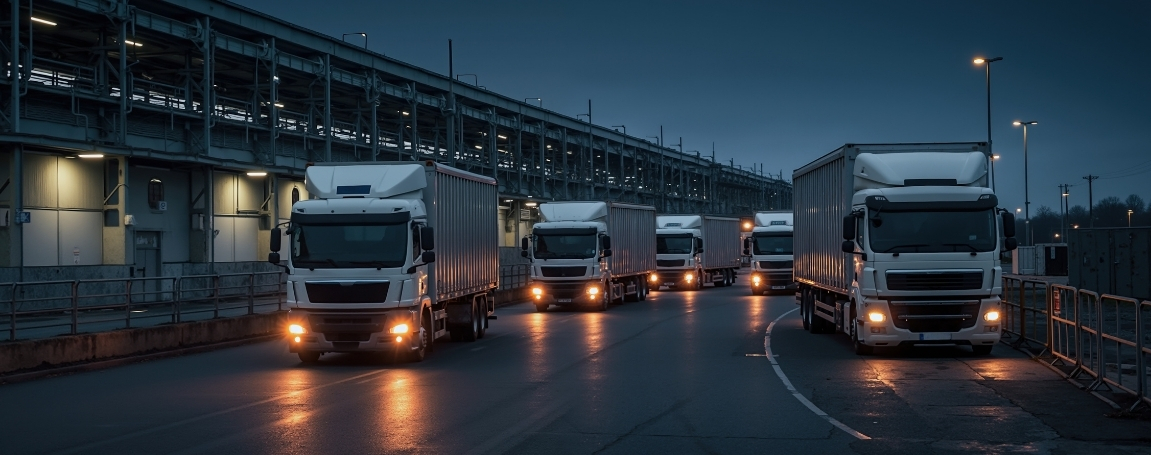
Buying is the choice for businesses that use trailers every day and expect to keep doing so for many years. Once the trailer is paid off, it belongs to you. This can make it cheaper over the long term compared to renting or leasing. There are no ongoing monthly payments beyond maintenance and insurance.
Ownership also allows full customisation. You can add features like interior racks, special flooring, extra tie-down points, or branding. This can make your trailer work better for your business and even serve as moving advertising.
But buying comes with responsibilities. You need to pay for repairs, regular maintenance, and insurance. You also need to find secure storage when the trailer is not in use. Weather can also be a factor. In colder months, you might need to protect it from ice and snow. In wet seasons, you may need to check for rust or water damage. These extra tasks mean more time and money spent beyond the initial purchase.
How Costs Compare
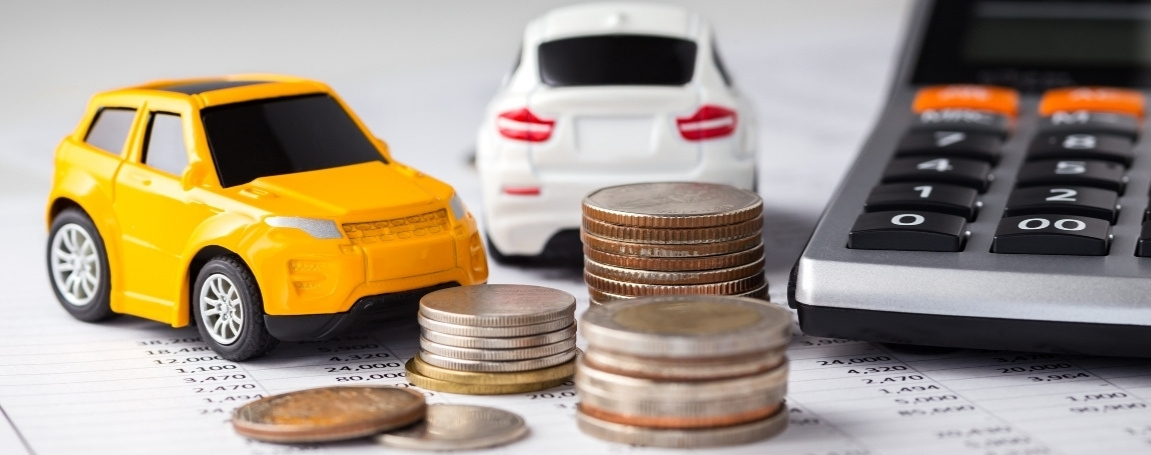
When it comes to cost, each option has its own pattern. Renting usually has the lowest cost in the short term. You only pay for what you use, and you can walk away when you no longer need it. Leasing has a higher cost than renting but is still cheaper than buying in the short term. Buying has the highest cost upfront but can save money over many years if you keep the trailer in good shape.
For example, a used commercial trailer might start at around $6,000, while a new one could be much more. A lease could spread payments out over years, while renting avoids the big payment entirely. However, if you rent often enough, the costs can add up quickly.
Matching the Choice to Your Business
The best choice depends on your type of work and how often you need a trailer. If you only need it for a few months each year, renting might be the easiest. If you use it most of the year but want the option to upgrade, leasing could be the way to go. If you use it daily and want full control, buying may be the smartest long-term investment.
Think about how your needs might change over the next few years. Will you be taking on bigger projects? Will you need different sizes or types of trailers? How important is having the newest model? Answering these questions can make the decision clearer.
Visit Us and Find Your Fit
Your trailer should help your business, not slow it down. At Edmonton Trailer Sales & Leasing, we guide businesses through these choices so they find the option that truly fits their work. Whether that’s a short-term rental, a flexible lease, or a permanent purchase, we make sure you get the right trailer for your needs. Visit us in Acheson and see how we can help keep your business moving.